
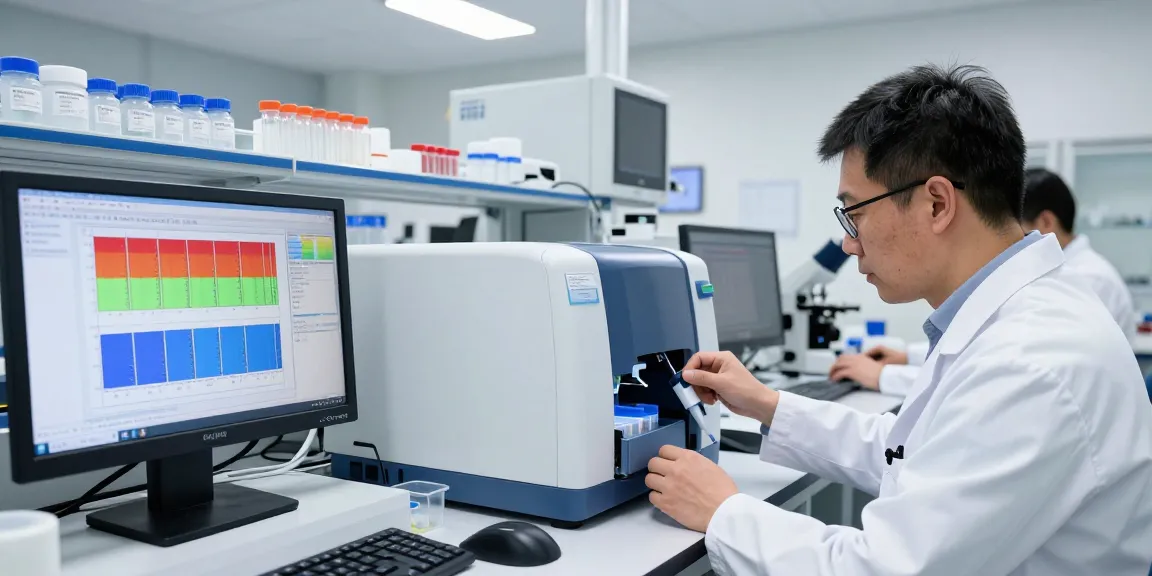
Understanding Purity in Analytical Testing
In the realm of analytical testing, purity is not merely a term; it represents the core of scientific integrity and product reliability. A high level of purity ensures that the active ingredients in pharmaceutical formulations perform as expected, making it a critical parameter in the development and quality control of peptides and other compounds. Organizations like Aegean Labs adhere to stringent testing protocols to guarantee that their analytical reports accurately reflect the true nature of their samples.
What is Peptide Purity?
Peptide purity refers to the proportion of the desired peptide in a given sample compared to other impurities or contaminants. This can be affected by various factors such as synthesis methods, storage conditions, and analytical techniques employed. A peptide is considered pure when it meets or exceeds specified purity thresholds, typically expressed as a percentage. For instance, pharmaceutical-grade peptides must usually have a purity of 95% or higher to be deemed acceptable for use in clinical settings.
Importance of Accurate Testing Standards
Accurate testing standards are essential for maintaining drug safety and efficacy. Regulatory bodies, such as the FDA and EMA, require that pharmaceutical products meet strict purity standards to minimize the risk of adverse effects in patients. The implications of impurity can range from reduced therapeutic effectiveness to serious health risks, underscoring the need for precise analytical methods in determining peptide purity.
Common Methods for Assessing Purity
Several analytical techniques are employed to assess peptide purity, each with its advantages and limitations. Here are some of the most frequently used methods:
- High-Performance Liquid Chromatography (HPLC): This method allows for the separation, identification, and quantification of components in a mixture, making it ideal for assessing peptide purity.
- Mass Spectrometry (MS): MS is utilized for the precise molecular identification of compounds, providing critical insights into the purity and structure of peptides.
- Capillary Electrophoresis (CE): This technique separates charged particles in a sample, aiding in the detection of impurities in peptides.
Aegean Labs: Pioneering Technologies for Precision
Aegean Labs employs state-of-the-art technologies to deliver high-quality peptide analytical testing. This commitment to precision is backed by ISO 17025-aligned quality systems that ensure the reliability and reproducibility of results.
High-Performance Liquid Chromatography (HPLC) Explained
HPLC is one of the cornerstones of analytical testing at Aegean Labs. This technique uses a high-pressure pump to pass a liquid solvent containing the sample through a column filled with stationary phase material. The interactions between the sample and stationary phase result in separation based on the compounds’ chemical properties. For peptide analysis, HPLC with UV detection at 214nm is particularly effective in achieving high resolution and precision in peptide separation.
Endotoxin Testing and Its Necessity
Endotoxin testing is crucial for ensuring the safety of pharmaceutical products. Endotoxins, which are toxic substances found in the outer membrane of certain bacteria, can have severe effects when introduced into the human body. Aegean Labs employs Limulus Amebocyte Lysate (LAL) assay methods for endotoxin testing, which can detect levels as low as 0.005 EU/mL, ensuring compliance with pharmaceutical-grade standards.
Mass Spectrometry for Molecular Identification
Mass Spectrometry (MS) serves as an essential tool for molecular identification and characterization of peptides. By measuring the mass-to-charge ratio of ions, MS provides information about the molecular composition and structure of the analyzed peptides. This data supports the target compound assignment with high-resolution accuracy, allowing for a thorough assessment of purity and identity.
Custom Analytical Methods: Meeting Unique Research Needs
Aegean Labs understands that different research projects may require tailored analytical methods. Custom analytical approaches can enhance the precision and relevance of testing, ensuring alignment with specific project objectives.
Tailored Approaches to Peptide Testing
For researchers with unique peptide testing needs, Aegean Labs offers customized analytical protocols designed to meet specific requirements. This can involve adjusting solvents, purification processes, and detection methods to better suit the particular peptide under investigation.
Collaborative Research and Development Practices
Collaboration is key in advancing research outcomes. Aegean Labs actively partners with research teams and pharmaceutical companies to develop tailored analytical methods that address unique challenges. These partnerships often lead to innovative approaches that push the boundaries of analytical science.
Case Studies: Successful Custom Analyses
Several successful partnerships exemplify how Aegean Labs’ custom analytical methods have facilitated significant advancements in peptide research. One notable case involved a biotech firm aiming to optimize the synthesis of a complex peptide. By customizing the HPLC method and performing comprehensive MS analysis, Aegean Labs helped achieve higher purity levels, which ultimately increased therapeutic efficacy in preclinical trials.
Reporting Depth: Transparency in Analytical Results
A comprehensive analytical report goes beyond stating results; it includes detailed insights that foster understanding and transparency for clients. Aegean Labs prides itself on its rigorous reporting practices that ensure all necessary information is conveyed clearly.
Components of a Comprehensive Analytical Report
Each report generated by Aegean Labs includes multiple essential components:
- Analytical Results: Clear presentation of purity percentages and other key metrics.
- Methodology Details: Explanation of testing approaches, instrumentation, and workflows used during analysis.
- Sample Preparation Notes: Contextual information on how samples were prepared, which is crucial for interpretation of results.
- Analyst Information: Details about the analyst who conducted the testing, ensuring traceability and accountability.
Understanding HPLC Chromatograms
HPLC chromatograms are vital in assessing purity. A well-defined chromatogram illustrates the separation profile, demonstrating how effectively the sample components were separated. Peaks on the chromatogram represent different compounds, and their areas correlate with the concentration of each substance. By interpreting this visual data, researchers can verify sample outcomes effectively.
Example Case: Interpreting Report Data
Understanding analytical reports can sometimes be challenging. For instance, if a report indicated a purity of 97% with accompanying chromatograms showing well-resolved peaks, one could infer that the synthesis process is efficient. However, it is essential to evaluate the presence of any unexpected impurities that may appear on the chromatogram, as these could indicate issues in the synthesis or storage of the peptide.
Future Trends in Analytical Testing for 2026
As we look forward to 2026, several trends are expected to shape the landscape of analytical testing. These emerging technologies and methodologies will significantly enhance the accuracy and reliability of testing results, benefiting pharmaceutical development greatly.
Emerging Technologies in Lab Analysis
Advancements in analytical technologies promise to revolutionize lab practices. For instance, the integration of artificial intelligence (AI) in data analysis is anticipated to streamline interpretative processes, leading to quicker and more accurate results. Innovative approaches like microfluidics will also enable rapid testing with minimal sample volumes, catering to a more diverse range of applications.
Regulatory Changes Affecting Testing Standards
Regulatory landscapes are continually evolving, and upcoming changes are expected to tighten the requirements surrounding analytical testing. Laboratories will need to adapt to maintain compliance, which may entail adopting new technologies or methodologies that align with updated regulations.
The Role of Data Integrity in Lab Practices
The importance of data integrity will continue to rise, as stakeholders demand transparency and trust in analytical results. Robust data management systems and rigorous validation processes will be crucial in ensuring that all results are credible and reliable throughout the analytical workflow.
What is Aegean Labs’ verification process?
Aegean Labs employs a unique verification process that assigns every report a specific verification ID. This ID allows clients to authenticate the report through an instant verification system, ensuring the authenticity and integrity of the analytical results.
How does HPLC enhance accuracy in peptide testing?
HPLC enhances accuracy by allowing for precise separation of peptide mixtures based on their molecular properties. The ability to monitor the process in real-time with UV detection ensures that any discrepancies can be identified immediately, leading to reliable purity assessments.
What are the challenges faced during endotoxin testing?
Endotoxin testing presents challenges such as the need for rigorous environmental controls to avoid contamination. Furthermore, the sensitivity of the LAL assay requires careful calibration and procedure adherence, as even minor variances can yield inaccurate results.
How can custom analysis benefit research outcomes?
Custom analysis enables researchers to design tests that specifically target their unique requirements. This tailored approach can lead to improved data relevance, enhanced understanding of peptide behavior, and ultimately better outcomes.
Why is transparency vital in analytical reporting?
Transparency in analytical reporting is vital for establishing trust between labs and their clients. Detailed reports that clearly outline methodologies, results, and analyst contributions ensure that all stakeholders can appreciate the findings and their implications accurately.